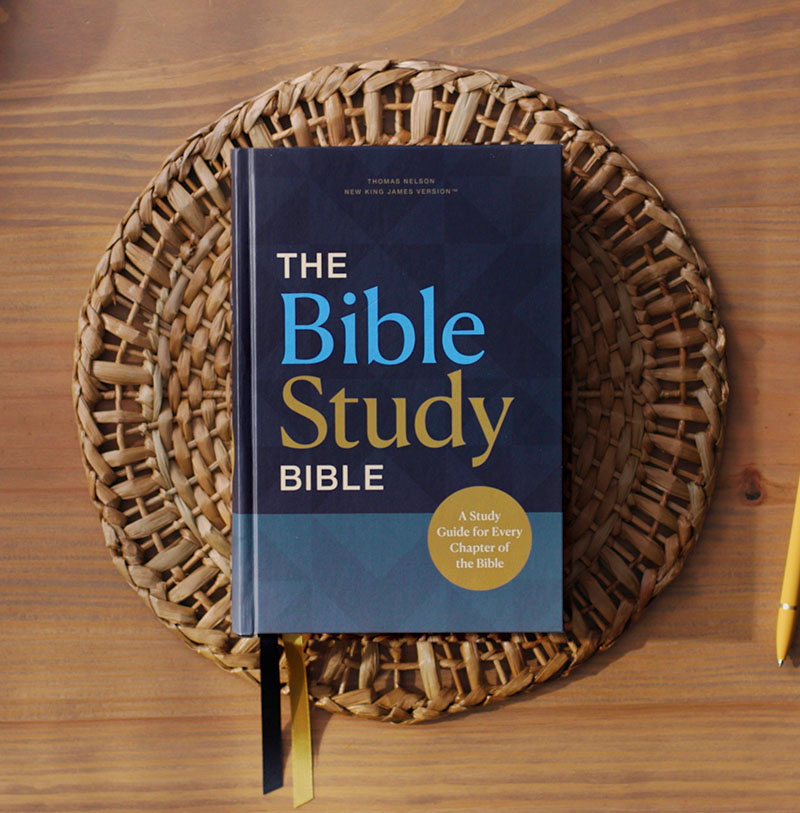
I belong to a group that has been studying the Bible for more than 20 years, so we have gotten to know each other’s opinions. In recent years we have used the videos of Dr. “Mickey” Efird, former professor in the Divinity School at Duke. One of his phrases is my favorite. “Don’t get lost in the weeds.” That is his Southern style of saying that we should not debate minor points that have little to do with the messages of the scriptures.
The books of the Old Testament (Jewish Bible) and the New Testament (story of Jesus) cover hundreds of years of history condensed into relatively short volumes. We understand that these books frame the basic theology of Christianity. The religion of Islam also takes the so-called stories of Abraham and the Jews and Jesus and adds new scriptures to become the Quran.
We have many modern English translations of the scriptures, but they originally were written in Aramaic, Hebrew, or Greek. Some were later translated into Latin. Not all the early books were included into what we call the “Canon,” or the acceptable collection of the scriptures as determined by the church. These random books are called the “Gnostic Gospels.”
We also have many Bible Studies or commentaries in print, in videos, and online on the Internet. Each of these has a particular point-of-view or emphasis to focus on. The interpretations range from fundamentalism (literal) to liberal (modern languages.) Our understanding of the Bible has grown during the past 2,000 years, particularly in considering the contrast between modern cultures and the culture of that time.
We have difficulty understanding the cultural context of the 1st Century. It was a different world then, and it was largely agricultural. The early Christians lived during the Roman Empire, which dominated the entire world of that time. They were residents of a conquered land, and their overlords were cruel in suppressing protests. That provided a complicated setting for the Crucifixion and Resurrection of Jesus.
In studying the Bible, we are dealing with difficulties in languages, translations, and cultures. The process of interpreting these issues is the basis of theology. Theologians have debated them for centuries. But you don’t have to be a theologian to read the Bible. You can read and discuss with others and develop your own interpretation that has the most meaning for you. The real issue is how you bring that into the way you live your life. It is not an academic journey. Most churches have a book of doctrine, which is how they interpret the teachings of Jesus. Your personal acceptance of Jesus is the fundamental story of Christianity.
Category: Religion
 This email address is being protected from spambots. You need JavaScript enabled to view it.