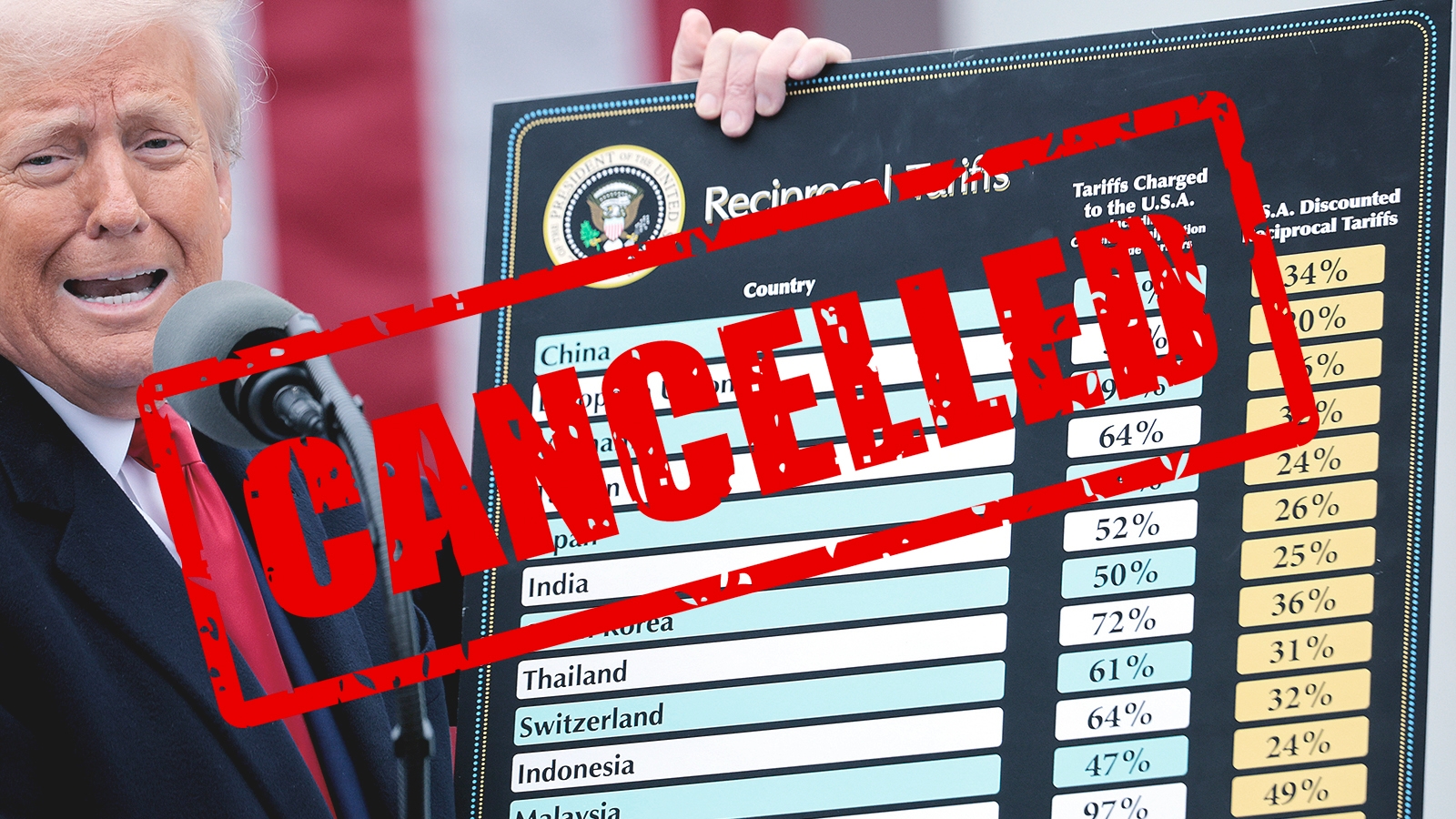
The results of most Supreme Court rulings in Trump’s second term have been mostly rubber-stamping approvals of his misadventures in legal limits to Presidential power. The February ruling outlawing his jawbone tactics with individual countries was a major blow. The President had spent months practicing the “Art of the Deal” in fixing tariff rates. As a major curb to executive power, the court ruled that the Congress had not delegated the authority to set taxes, so the multiple deals were struck down in a single blow.
The consequences were significant not only in limiting the President’s power, but also in raising questions of how to resolve the mess of the refund crisis and the economic fallout. For the thousands of American businesses that were forced to pay these higher tariffs, the question became how could they get their refunds on the illegal taxes. Billions are being processed for importers and/or retailers, but the process has faced several logistical glitches simply because of the massive numbers of transactions.

We are one of only five states that have held a primary election this year. Phil Berger got a big surprise in that he lost his bid by a razor thin election. Of course, he has appealed, but it appears that the results wwill not be enough to change the election. He appeared to think that he was entitled to his seat since he has won several re-elections.
It is not clear yet what cost him the election, but obviously his constituents were ready for a change. I would speculate that part of that may be due to the fact that although we are more than eight months into the state’s fiscal year, we still don’t have a budget. That is due primarily to a gridlock in the Senate that is controlled by the Republicans. They can’t even agree among themselves. This delay, again relying on a continuing resolution, doesn’t meet the needs of a fast-growing state. For example, the state has had to pick up some of the bills for the hurricane damage two years ago that FEMA has failed to pay.
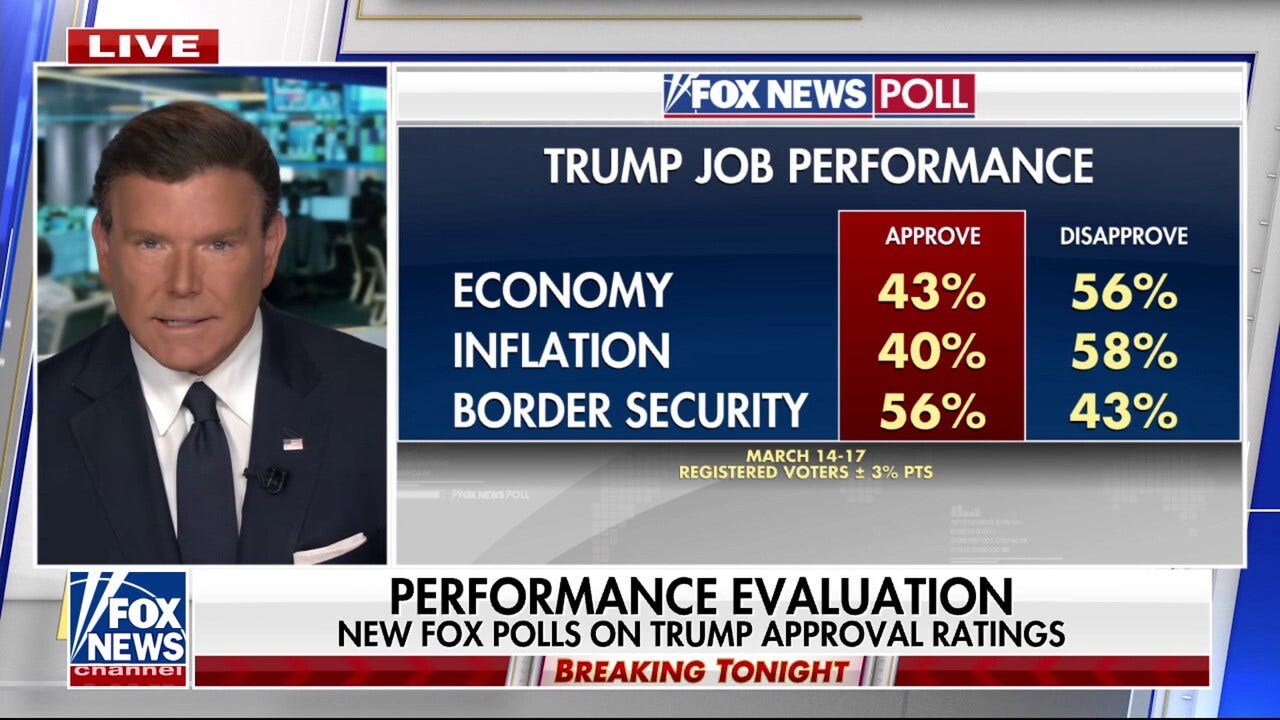
Several factors were involved:
- The continuing high cost of living, especially groceries
- The Tariff wars increased the cost of automobiles and home appliances assembled from foreign-made parts
- Focus on niche issues: windmills, personal grievances against opponents, and foreign affairs such as Greenland and Venezuela
- Health care costs
- Radical enforcement of immigration tactics, including harassment of protests, resulting in two deaths of U.S citizens recently
- Resistance from some MAGA supporters because of his statements about guns