The scope of the climate changes taking effect is so vast that it is hard to focus on one aspect of the problem. The world weather is changing so fast that dramatic actions are needed now. The damages and recovery costs are real and not theoretical.
To quote from a UN Report: UN75: Shaping Our Future Together. 2020
“Disasters linked to climate and weather extremes have always been part of our Earth’s system. But they are becoming more frequent and intense as the world warms. No continent is left untouched, with heatwaves, droughts, typhoons, and hurricanes causing mass destruction…. 90 per cent of disasters are now classed as weather- and climate-related, costing the world economy 520 billion USD each year.”
“Burning fossil fuels generates greenhouse gas emissions that act like a blanket wrapped around the Earth, trapping the sun’s heat and raising temperatures. Energy, industry, transport, buildings, agriculture and land use are among the main sectors causing greenhouse gases. Ambient land temperatures are rising, but so are the temperatures of the oceans. But temperature rise is only the beginning of the story.”
“Because the Earth is a system, where everything is connected, changes in one area can influence changes in all others. The emissions that cause climate change come from every part of the world and affect everyone, but some countries produce much more than others. The seven biggest emitters alone (China, the United States of America, India, the European Union, Indonesia, the Russian Federation, and Brazil) accounted for about half of all global greenhouse gas emissions in 2020.”
Fossil fuel producers tell us that increased production will be needed just to provide the rapidly increasing need for electricity. Nuclear power has been almost abandoned for decades. This seems like an impossible Catch 22 era. What can we do?
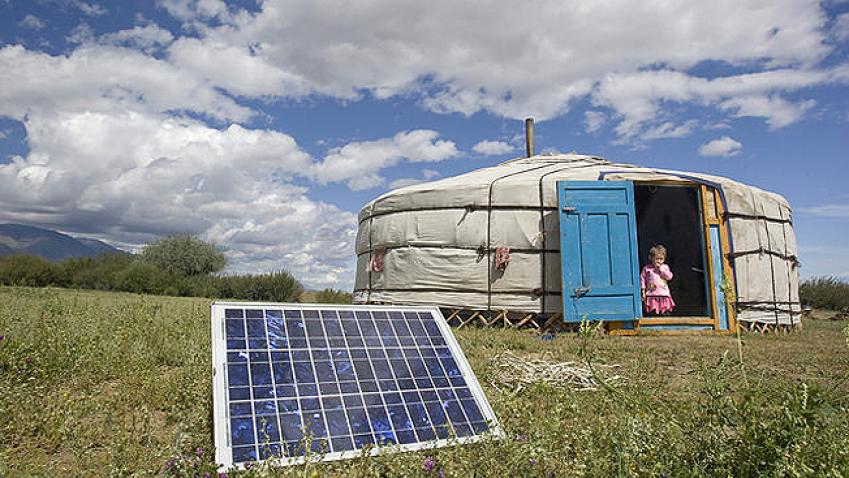
“While technology has contributed to climate change, new and efficient technologies can help us reduce net emissions and create a cleaner world. Readily available technological solutions already exist for more than 70 per cent of today’s emissions. In many places renewable energy is now the cheapest energy source, and electric cars are poised to become mainstream.”
Even if reducing carbon emissions helps, how soon and how fast can some of these strategies become productive? How can they scale to be more than just prototype demonstration projects? After decades of scientists warning us, we are late getting into the game. Too much damage already has been done, and global climate trends are working against us. We can’t undo that overnight. Promises, promise, and promises from governments all over the world have translated into only small actions that don’t match the impact of Mother Nature.
Young people are telling us that it’s time to wake up and do something about it.
 This email address is being protected from spambots. You need JavaScript enabled to view it.