First, you need to understand some of the basics of statistics and data management. Then, there is the polling lingo, such as: representative subset, known as a sample. The sample must include all the segments of the population to be measured. The samples are randomly selected by computer-generated lists of numbers. It used to be that pollsters only telephoned people, but now they select landlines, cellphones, and send emails to include the different methods that people use to communicate. There are many other variables to be considered such as age, race, gender, and region of the country.
Once you have a representative sample based on the same percentages as the total population, then you still will end with a margin of error, usually + - 4%. If one candidate is 2% ahead, they still are within the margin of error. so it is still problematic.
Polls are snapshots of a particular day in time, and polling data varies over time. That’s why they ask the same questions over again. Then there is the order of the questions, the phrasing of the question that may have some unintended implication. People respond to polls, some do not, and some lie. The pollsters also need to account for those variables.
In political polls, party affiliation, prior voting records, and intention to vote also are considered. You can’t assume that people will vote the same way they registered, particularly those who are undeclared. These are the ones who the politicians are most concerned about reaching, and it is why they spend millions of dollars in advertising. It’s not just TV ads anymore, I get dozens of emails and texts every day. Generally, polls are limited to regions or states or to specific issues to try to get more accurate responses.
If polls are so complicated and not completely accurate, then why do pollsters bother? Because trends change over time, so it is important to see how the results are trending. The results of a poll taken in May will be very different than the results taken in October, particularly as you get closer to Election Day.
CNN is noted for it’s “Magic Board” that can graphically display tons of data, and the display can be quickly changed. Of course, the politicians follow their own polls, and exit interviews of people who already have voted, etc. Early voting is off to a fast start this year with large numbers already voting in states that allow it. Some states don’t start counting absentee ballots until Election Day, and that is a slow process.
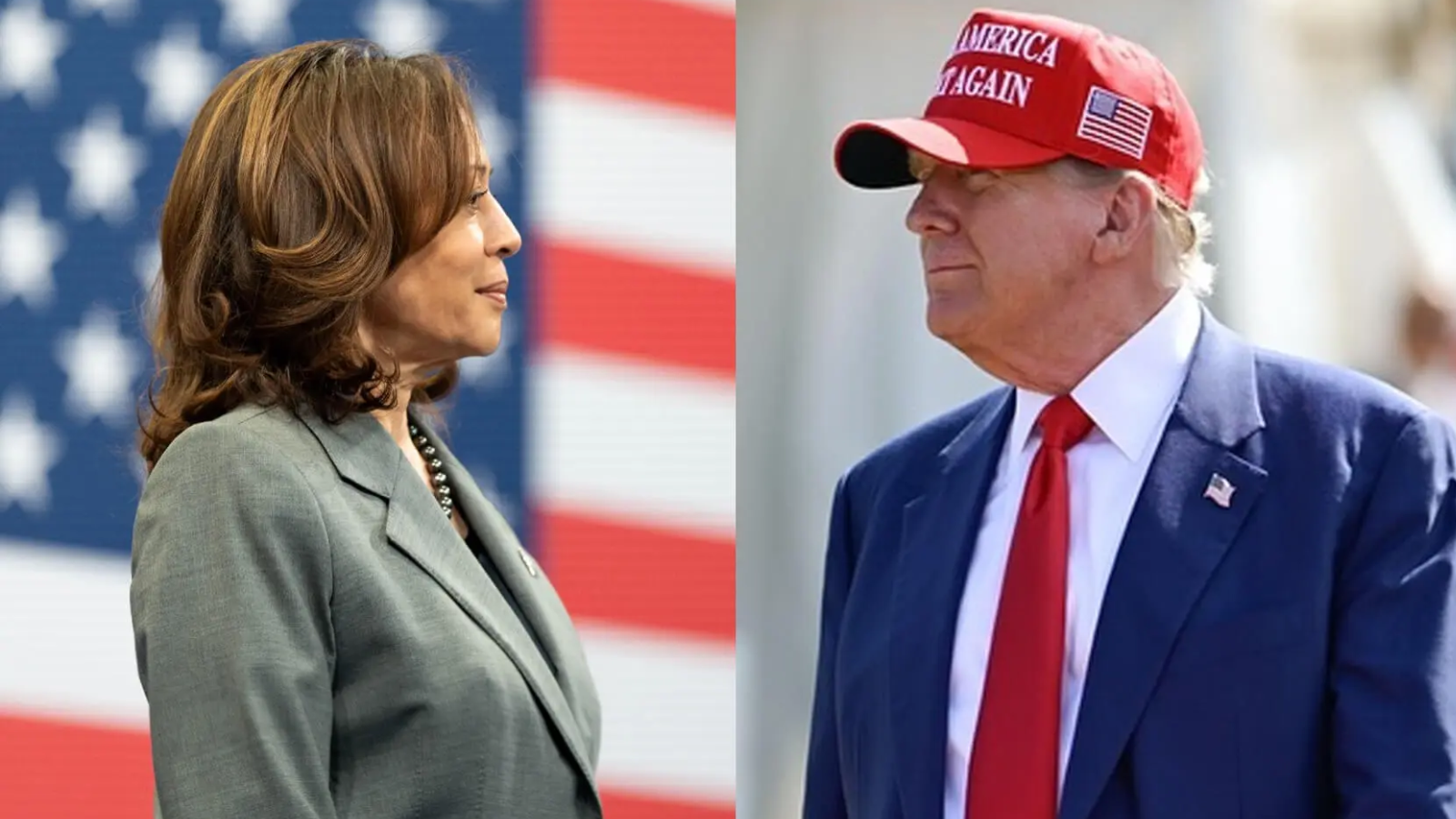
What about those states that may determine the winners in the Electoral College; it’s because their results have changed in different elections. Thus, a small number of unpredictable states can determine the results. Candidates can win the popular vote and lose the votes in the Electoral College. That’s happened to the Democrats twice in recent decades. The Electoral College is written in the Constitution so it would be hard to change. Some states are called “Red” and others “Blue,” depending upon how they have voted historically. Third party candidates usually have had a minimal impact on the outcome. Robert F. Kennedy, Jr. threw his votes to Trump, but he still is on the ballot in some states.
The major polls report that the results to date are just too close to call. Election night 2024 looks like it’s going to be a long night as the polls close across the nation. Media usually don’t call a state until after the polls have closed.
 This email address is being protected from spambots. You need JavaScript enabled to view it.