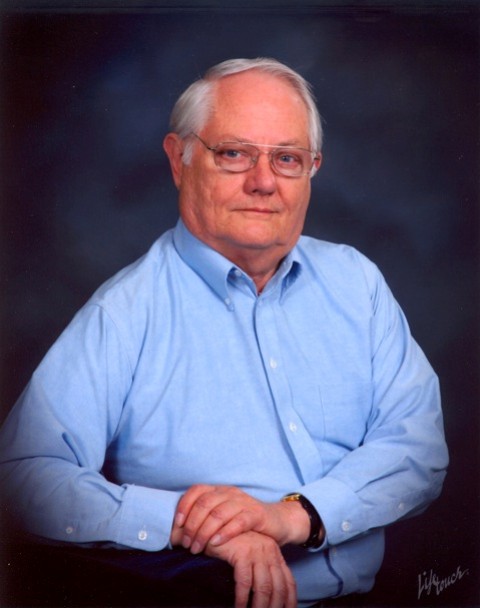
My name is John Suddath. I am a member of Edenton St. UMC, a Methodist for 58 years, and a preacher’s kid. My father was a Methodist minister for 45 years. I have been a member of RUM-NC for about 4 years. I also am involved in a number of other volunteer programs, and thus RUM-NC is only one of my priorities.
RUM-NC will be celebrating its 10th year this summer at the NC Annual Conference. We have increased our visibility each year adding an exhibit table, informational materials, a display of “silent witnesses” outside the exhibit hall, and an inclusive worship service and free piazza lunch. In addition to annual conferences, several members attended the 2000 and 2004 General Conferences and the 2004 Southeast Jurisdictional Conference. Several of our members have attended the Reconciling Ministries Network National Convocations, and we had a large representation at the September 2005 Convocation at Lake Junaluska. Two of our members have served on the national board of the Reconciling Ministries Network.
We don’t just show up at conferences, we have sponsored two educational conferences. The first was at Duke Divinity School in September 2003, and the second was at Dilworth UMC in Charlotte in June 2004. These conferences included a series of interactive workshops with brief presentations followed by opportunities for small group discussions on a variety of topics.
We meet informally as a group monthly in the Triangle to provide support, exchange information on current situations, and to provide opportunities for those who do not feel they have a welcoming church home in which to discuss their concerns. These meeting are part business planning sessions, part social gatherings, and part stories of searches for religious growth and healing experiences.
For those of our group outside of the Triangle, we maintain a web site and a Yahoo group’s news server where we post current news and offer an opportunity for members to express their opinions and views.
Corporate America has assumed leadership in promoting the benefits of diversity and has welcomed GLBT employees whereas the church has still maintained a status of second-class membership. Businesses realized they needed to reach beyond the traditional WASP community in order to be able to compete effectively in the marketplace.
Our detractors say that we are trying to divide the church and that the church already has decided its position of homosexuality both in the pew and the pulpit so we should just go away. This is one of the most controversial issues facing society today and is in the news daily so the church must assume leadership in helping people deal with a whole host of issues. We do not seek official endorsement of a so-called “lifestyle” nor wish to debate the theological or biblical history of the debate within the church, which especially has come to the forefront in the past 25 years. We are described as being persons of sacred worth but unfit for positions of leadership. Unfortunately much of the dialogue has declined to a debate over the parsing of words and interpretations of specific scriptural passages, similar to the debate that occurred in the church a century ago over the issue of slavery.
In the meantime an entire class of people have felt rejected and have left the Methodist Church for other denominations that are more welcoming. We even now are facing the possibilities of “conditional membership” in which potential members who willingly assume all of the responsibilities of membership and are willing to take the oaths of baptism may be excluded simply by this one litmus test of a local pastor. It is with a great deal of hurt and frustration that many GLBT persons have left the church or have felt that they must become hypocrites and hide a portion of themselves as to who they really are. Open secrets are tolerated, but open acknowledgement and honesty are not. What impact does that have on the moral leadership of the church?